Cart is empty
New Items
All →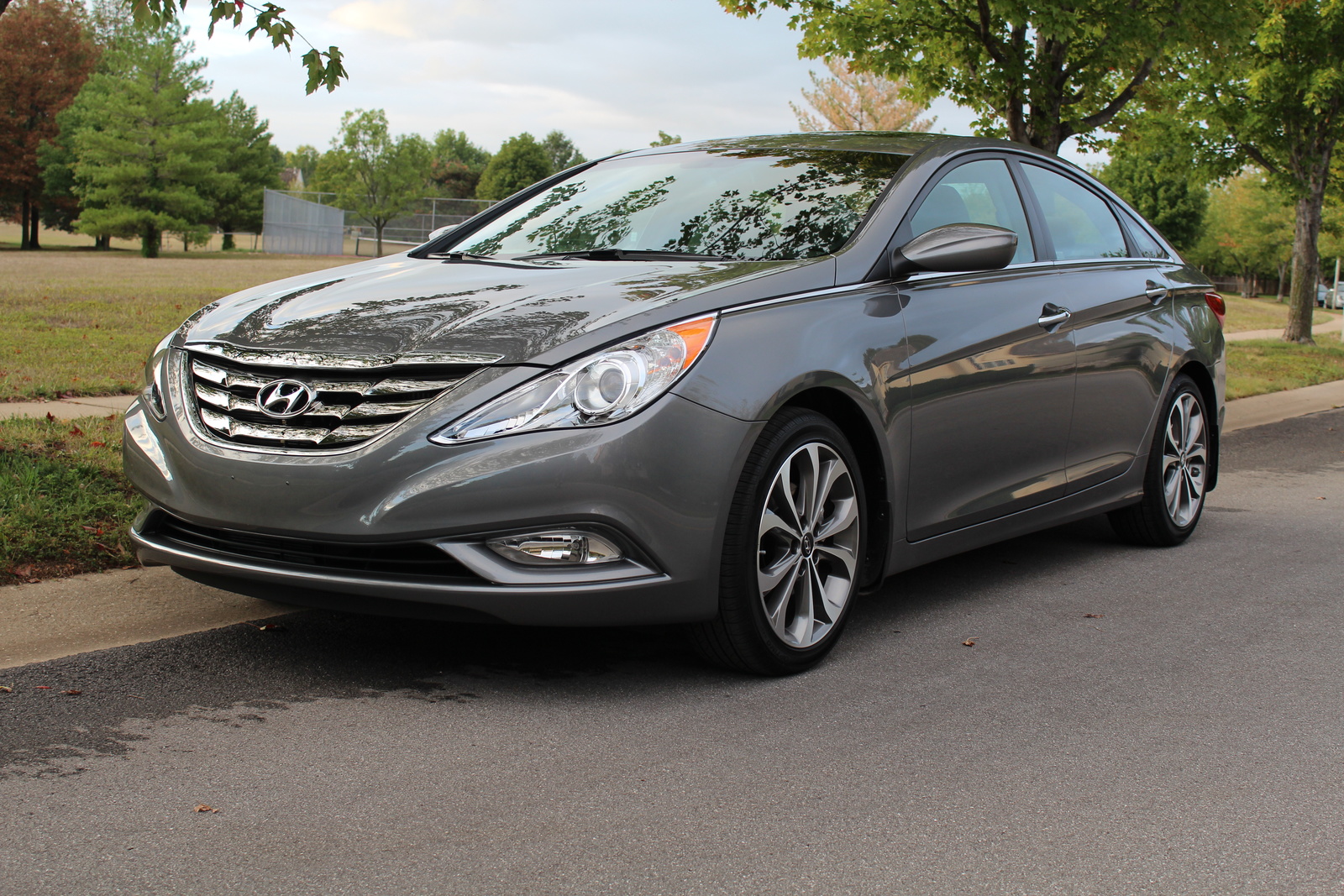
Symptoms: the battery warning light illuminated on the dashboard, and the steering became noticeably heavier. · Cause: worn alternator brushes. · Result: the alternator brushes were replaced, normal charging system operation was restored, and the electric power steering resumed normal operation. · Warranty: 12 months. · Date: 29 October 2026
The Hyundai Sonata arrived at the service centre with two main complaints. While driving, the battery warning light illuminated on the dashboard. Shortly afterwards, the steering became noticeably heavier, particularly when parking and manoeuvring at low speeds. At first glance, these symptoms could have indicated two separate faults. However, diagnostics revealed that both were associated with significantly worn alternator brushes.
After the brushes were replaced, the charging system returned to normal operation, the battery warning light went out, and the electric power steering resumed normal operation. This made it possible to retain the vehicle's original alternator and replace only the worn component, without replacing the entire unit.
Problem Description and Initial Inspection
The initial inspection revealed several signs commonly associated with charging system faults:
- Charging voltage: with the engine running, the voltage measured at the battery terminals was not increasing as expected, indicating a problem with alternator charging.
- Drive belt, tensioner and overrunning pulley: inspection revealed no mechanical faults.
- Wiring and alternator connector: no visible damage or significant corrosion was found.
Following the initial inspection, the alternator needed to be removed and its main components examined in detail to identify the exact cause of the malfunction.
Why Did the Steering Become Heavy?
Depending on the vehicle configuration, the Hyundai Sonata is equipped with Motor Driven Power Steering (MDPS), an electric power steering system. Its electric motor draws a significant amount of current, particularly during parking and low-speed manoeuvres.
When the alternator can no longer charge the battery properly, the vehicle's electrical system begins relying on the energy stored in the battery. As that energy is consumed, the battery voltage gradually decreases. If the voltage becomes insufficient, the power steering control system may reduce the amount of assistance or temporarily disable it. As a result, the steering wheel becomes noticeably harder to turn.
Therefore, in this case, heavier steering did not necessarily indicate a fault within the steering mechanism itself. The symptom could have been caused by a charging system malfunction and inadequate electrical power supply.
This is why, when the battery warning light and heavy steering occur together, the charging system should be checked before deciding to repair or replace steering components.
Service Centre Specialisation
ALTERNATOR GEORGIA — Tbilisi specialises in the professional diagnosis and repair of automotive alternators. We service alternators fitted to various Hyundai and Kia models, identify the causes of faults, restore alternator performance and replace only the components that have actually failed.
Main service areas:
- Hyundai: Sonata NF / YF / LF / DN8, Elantra, Tucson, Santa Fe;
- Kia: Optima / K5, Sportage, Sorento, Cerato;
- Engine versions: 2.0 / 2.4 MPI and GDI, 2.0 LPI, 1.6 / 2.0 T-GDI.
Alternator design and component compatibility depend on the vehicle model, production year, engine version and alternator manufacturer. The specific unit must therefore be identified and inspected before repairs begin.
What Do Alternator Brushes Do?
For an alternator to operate, electrical current must be supplied to the rotor's field winding. This creates the magnetic field required to generate electricity. In many alternators, the excitation current is transferred to the rotating rotor through two graphite brushes. Spring pressure keeps the brushes in contact with the slip rings, maintaining an electrical connection while the rotor turns.
The voltage regulator controls the excitation current. Depending on the alternator design, the brushes and voltage regulator may be integrated into a single assembly or manufactured as separate components.
During operation, the brushes remain in contact with the slip rings and gradually wear down due to friction. When their length falls below the permitted limit, the springs may no longer provide sufficient pressure to maintain reliable electrical contact. The connection can then become intermittent or fail completely, disrupting rotor excitation and reducing the alternator's charging capability or stopping it altogether.
Important: brush service life depends on alternator design, operating conditions and electrical load. Significant wear may occur at approximately 180,000–200,000 km, but this range should not be treated as a universal service-life specification for every Hyundai alternator.
At the early stages of a fault, the symptoms may be intermittent: the battery warning light comes on briefly and then goes out. This can indicate worn brushes or another electrical contact problem and requires further investigation.
What Was Found on This Hyundai Sonata?
After the alternator was removed and disassembled, the brushes were found to be worn well beyond the acceptable limit. Their remaining length and contact condition were no longer sufficient to maintain a reliable electrical connection.
As a result, rotor excitation was disrupted, the alternator could no longer charge the battery properly, and the battery warning light illuminated on the dashboard. The resulting voltage drop could also affect the operation of the electric power steering system.
A detailed inspection confirmed that the alternator's other main components — the bearings, rectifier bridge, windings and electronic section of the voltage regulator — were in working condition.
Replacing the entire alternator was therefore unnecessary. The repair involved replacing the worn brushes, inspecting the slip rings and subsequently testing the alternator on a diagnostic test bench.
Possible Causes of Charging Problems — Not Just the Brushes
An illuminated battery warning light and heavier steering may indicate a charging system fault. However, symptoms alone cannot identify the exact failed component. Proper diagnostics are necessary to determine the underlying cause.
The most common possibilities include:
1. Worn Alternator Brushes
In this Hyundai Sonata case, the fault was caused by worn brushes. This type of problem may develop after high mileage, although the rate of wear depends on the alternator design and operating conditions.
Initially, the battery warning light may illuminate intermittently before remaining on continuously. In some cases, charging may temporarily return when engine speed changes or vibration affects the electrical contact. Such behaviour can indicate an unstable connection.
2. Alternator Overrunning Pulley
The overrunning pulley is an important component of the alternator drive system. Its mechanism helps manage speed fluctuations and variations in load within the belt drive.
If the pulley mechanism becomes damaged and can no longer operate freely as designed, unusual noises, vibrations and irregular belt movement may occur. Other types of pulley failure can prevent proper torque transmission, adversely affecting alternator operation.
A seized or faulty pulley may produce additional noise and vibration, particularly when starting or switching off the engine. Direct inspection is required to confirm the fault.
For a related example, see the article about the Volkswagen Passat B7.
3. Voltage Regulator Failure
The voltage regulator controls the alternator's output voltage. If its electronic circuitry fails, the alternator may stop charging altogether, produce insufficient charging voltage or, conversely, generate excessive voltage.
Overcharging can damage the battery and vehicle electronics, while insufficient charging can gradually discharge the battery and interfere with the operation of electrical equipment.
When the voltage regulator fails, the brushes may still be in good condition. Replacing the brushes alone will not solve the problem if the regulator is the underlying cause.
Other possible charging system faults include: a damaged rectifier bridge, a worn or insufficiently tensioned drive belt, a corroded connector, a faulty ground connection or a broken electrical wire.
For further information, see our article: “6 Common Signs of Alternator Failure”.
Safety recommendation: do not continue driving with the battery warning light illuminated if a charging system fault has been confirmed or is strongly suspected. The vehicle may be operating only on the remaining energy stored in the battery. A further voltage drop can cause electrical systems to shut down, reduce electric power steering assistance and, under certain conditions, cause the engine to stop.
Do not rush to replace the battery without first checking the charging system. If the alternator is not charging, even a new battery may become discharged.
Step-by-Step Alternator Diagnostics
The following checks were carried out to identify the cause of the fault.
- Charging voltage measurement: with the engine running, the voltage at the battery terminals was measured. The results indicated a charging system problem because the voltage was not increasing as expected. When interpreting specific readings, the vehicle's charging control system and operating conditions must be taken into account.
- Drive belt, tensioner and pulley inspection: the condition and tension of the drive belt, along with the alternator drive mechanism, were checked. No mechanical fault capable of explaining the loss of charging was identified at this stage.
- Electrical wiring inspection: the alternator connector, ground connections and charging cable were inspected. No visible damage or significant corrosion was found.
-
Alternator removal and disassembly: the alternator was removed from the vehicle and tested on a bench. It failed to achieve the expected charging performance during the test. After disassembly, the brushes were found to be severely worn and unable to maintain reliable electrical contact.
The electronic section of the voltage regulator, rectifier bridge, bearings and windings were found to be in working condition.
Work Performed — Step by Step
| Stage / Component | Work Performed |
|---|---|
| Charging system diagnostics | Battery voltage measurement and identification of the charging problem. |
| Drive belt, tensioner and pulley | Inspection of mechanical condition and drive operation; no faults identified. |
| Alternator removal | Removal from the vehicle and initial bench inspection. |
| Disassembly and component inspection | Identification of brush wear and inspection of the regulator, rectifier bridge, windings and bearings. |
| Brush replacement | Installation of new brushes and verification of correct spring pressure. |
| Slip rings | Inspection for wear and grooves, followed by cleaning of the contact surfaces. |
| Bearings | Inspection for play and noise; serviceable condition confirmed. |
| Bench testing | Testing of alternator operation and charging performance under load. |
| Reinstallation and final checks | Alternator installation, charging system recheck and assessment of electric power steering operation. |
| Warranty | 12-month warranty on the work performed. |
Why Is This Repair More Cost-Effective?
When the battery warning light comes on and the steering becomes heavy, some vehicle owners immediately choose to replace the entire alternator. In certain cases, the battery is replaced as well, even when its failure has not been confirmed.
In this Hyundai Sonata case, detailed diagnostics showed that the alternator's main components remained in working condition and that worn brushes were responsible for the problem. Replacing this single component was therefore sufficient, avoiding the cost of a complete alternator replacement.
This approach helps retain the vehicle's original alternator, reduce repair costs and prevent the unnecessary replacement of serviceable components.
However, this decision must always be based on diagnostic findings. If other alternator components are also damaged, replacing the brushes alone may not be sufficient.
Recommendations for Vehicle Owners
- At higher mileage: at approximately 180,000–200,000 km, consider having the alternator inspected, particularly if any charging system symptoms appear.
- Do not ignore an intermittent warning light: even a brief illumination of the battery warning light may indicate unstable charging and should be investigated promptly.
- Check the battery as well: if the battery has been deeply discharged, its condition and ability to hold a charge should be assessed.
- Check the charging system first if the steering becomes heavy: if heavier steering occurs together with the battery warning light, the electrical system should be inspected before deciding to replace steering components.
- Do not replace parts based on guesswork: alternator brushes, the voltage regulator, the pulley and other components can produce similar symptoms. The exact cause must be established through diagnostics.
Frequently Asked Questions
Why did the steering become heavy if the alternator was the problem?
The relevant Hyundai Sonata versions are equipped with electric power steering (MDPS), which relies on electrical power. If the alternator can no longer charge the battery properly, the vehicle's electrical system voltage may drop. The power steering system may then reduce its assistance, making the steering wheel harder to turn.
Therefore, when the battery warning light and heavier steering occur together, the charging system should be checked first. These symptoms alone do not prove that the steering assist system itself has failed.
Can the brushes be replaced without replacing the entire alternator?
Yes, provided diagnostics confirm that brush wear is the only fault and the alternator's other components remain serviceable.
In this Hyundai Sonata case, the bearings, rectifier bridge, windings and electronic section of the voltage regulator were all found to be in working condition. Replacing the brushes was therefore sufficient, after which the alternator was tested again on a diagnostic bench.
How long do Hyundai alternator brushes last?
Brush life depends on the alternator model, vehicle operating conditions, electrical load and environmental factors. Significant wear may occur at approximately 180,000–200,000 km, although this figure is not the same for every vehicle.
Mileage alone is not enough to determine brush condition. The alternator and its components must be inspected to establish their actual condition.
How can I tell whether the problem is the brushes, pulley or voltage regulator?
These faults can produce similar symptoms, so the exact cause cannot be established solely from visible symptoms or the battery warning light.
Diagnostics include measuring charging voltage and, where necessary, current; inspecting the drive belt and pulley; checking the wiring; disassembling the alternator; and carrying out bench tests.
At ALTERNATOR GEORGIA, the recommended repair and estimated cost are discussed with the customer based on the diagnostic findings before work begins.
Is on-site service available?
Yes. In Tbilisi, a technician can be dispatched to diagnose the vehicle's charging system and remove the alternator when required.
Alternator repairs are carried out in the workshop, where the components can be inspected in detail and the unit tested on a diagnostic bench. Once the repair is complete, the alternator is reinstalled and the charging system is checked again.
For further details, see our “On-Site Service” page.
ALTERNATOR GEORGIA — Automotive Alternator Diagnostics and Repair in Tbilisi.
To identify the exact cause of the fault and discuss repair options, contact us: +995 596 66 66 76.
Battery light on?
Accurate diagnostics
Price agreed upfront
12-month warranty